
The Ultimate Guide to Landscape Architecture in TX: Trends and Techniques


Landscape architecture in Texas is a dynamic field, merging innovative design with the state's unique environmental challenges. As the demand for sustainable and aesthetically pleasing outdoor spaces grows, understanding the latest trends and techniques in this area is crucial for homeowners and professionals alike.
Current Trends in Landscape Architecture
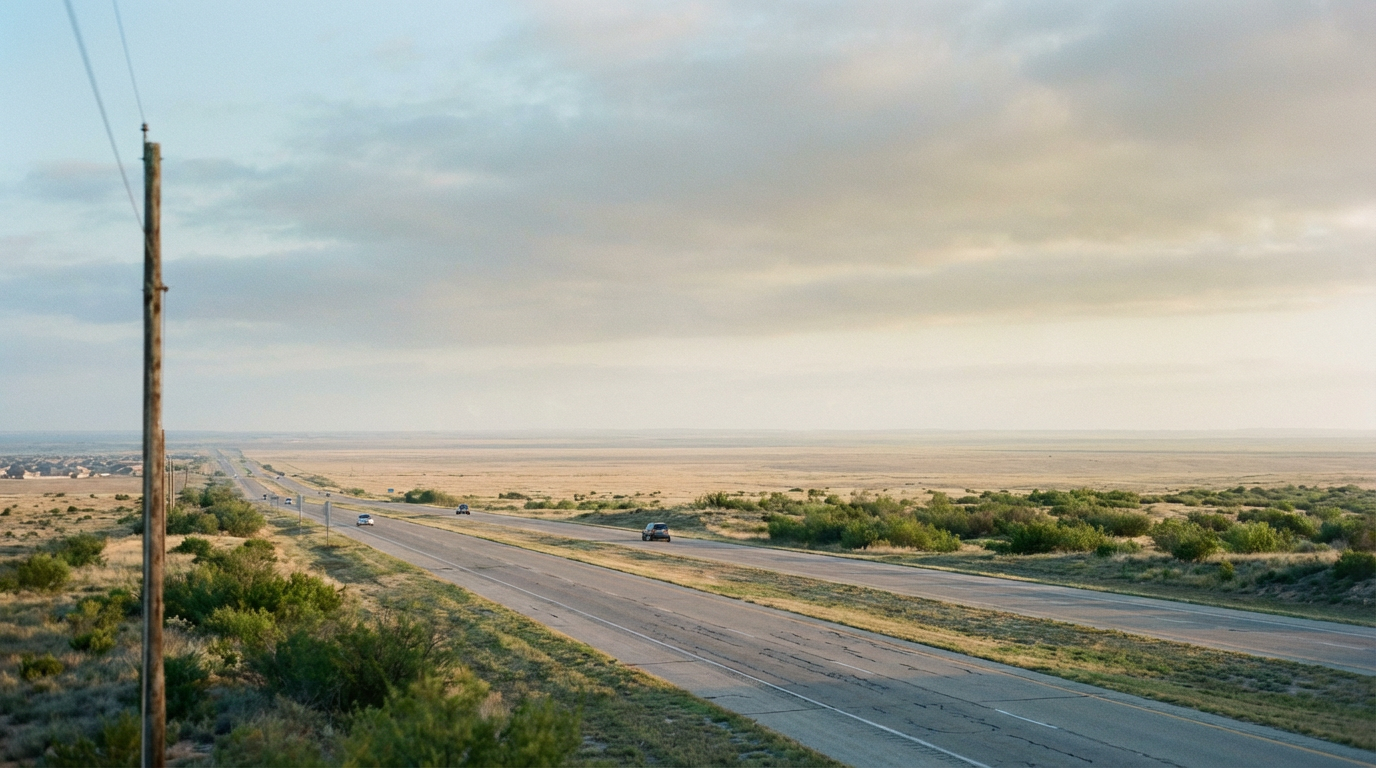
One notable trend in Texas landscape architecture is the integration of drought-resistant plants. Due to the state's varying climate, selecting native and adaptive species is essential for creating resilient landscapes. These plants not only conserve water but also thrive in local conditions, reducing maintenance efforts.
Another emerging trend is the use of smart technology in landscape design. From automated irrigation systems to solar-powered lighting, technological advancements are enhancing the functionality and sustainability of outdoor spaces. These innovations offer convenience and efficiency, allowing for more effective resource management.
Techniques for Sustainable Landscaping
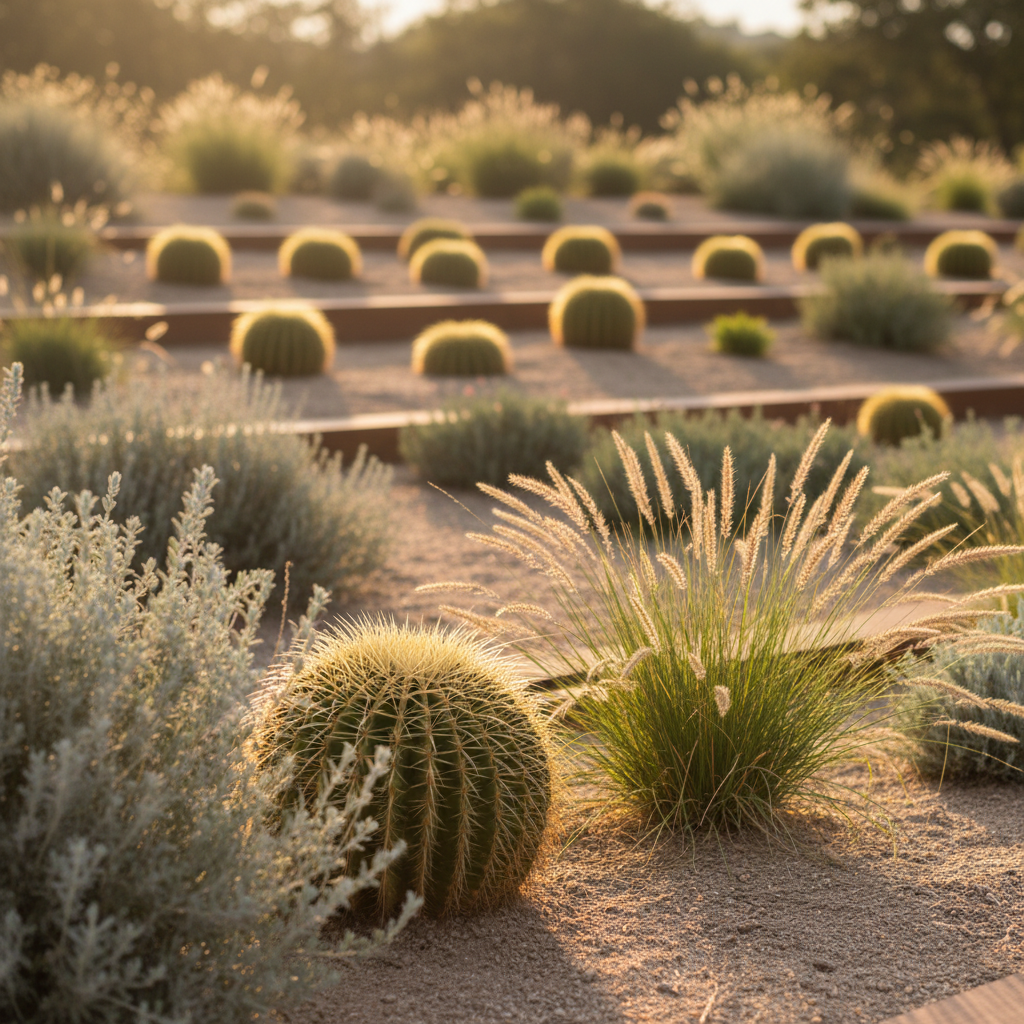
Sustainability is at the forefront of modern landscape architecture. Implementing techniques such as rainwater harvesting can significantly reduce water usage. By collecting and storing rainwater, homeowners can utilize a natural resource for irrigation, further promoting environmental responsibility.
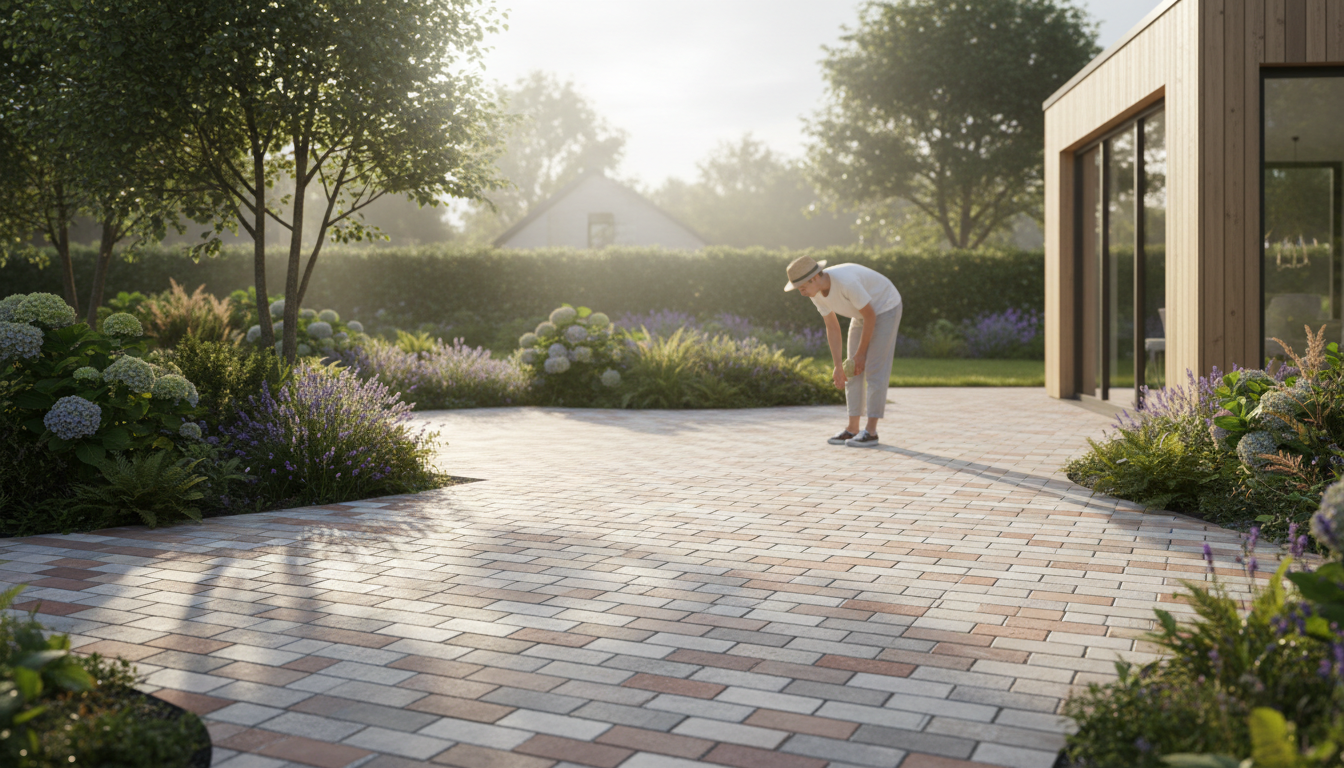
Incorporating permeable paving is another technique gaining popularity. This method allows rainwater to filter through the surface, reducing runoff and recharging groundwater supplies. It's an effective way to manage stormwater, especially in urban areas prone to flooding.
Designing for Texas's Unique Climate
Designing landscapes in Texas requires a keen understanding of its diverse climate zones. From the arid west to the humid east, each region presents unique challenges and opportunities. Adapting designs to local conditions ensures that landscapes are both beautiful and enduring.
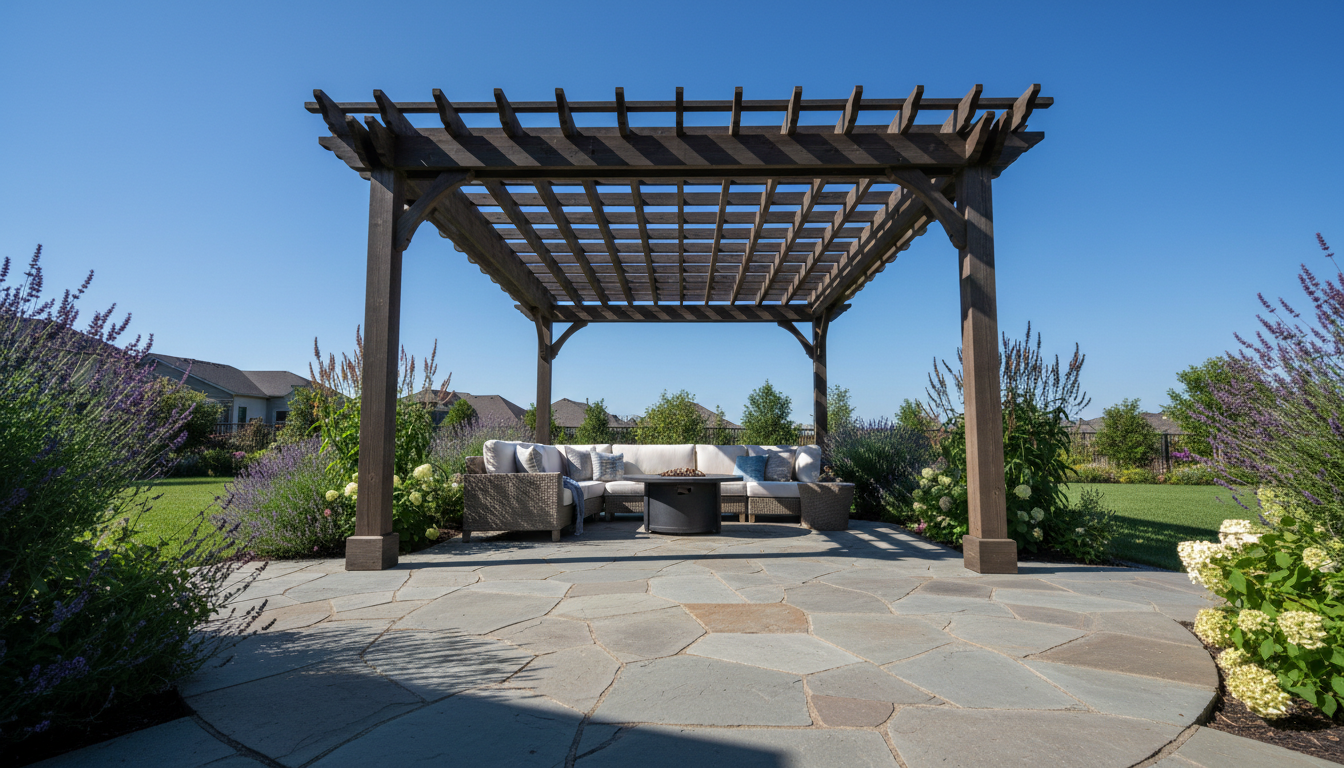
For example, in hotter regions, creating shaded areas with canopies and pergolas can provide relief from the sun, making outdoor spaces more comfortable and usable year-round. These structures can be complemented with climbing plants to enhance their aesthetic appeal while providing natural cooling.
The Role of Hardscaping
Hardscaping elements like walkways, patios, and retaining walls are integral to landscape architecture. In Texas, using locally sourced materials such as limestone can add a regional touch while supporting local industries. These elements not only enhance the visual appeal but also improve the functionality of outdoor spaces.
Combining hardscaping with lush greenery creates a balanced and harmonious environment. It's essential to consider how these elements interact with the natural surroundings to achieve a cohesive design.
Conclusion
The landscape architecture field in Texas is evolving, driven by a desire for sustainability and innovation. By embracing current trends and techniques, both homeowners and professionals can create outdoor spaces that are not only beautiful but also environmentally responsible. Whether through the use of smart technology or sustainable practices, the future of Texas landscapes looks promising and vibrant.