
DIY Landscape Architecture: Transform Your Texas Yard


Understanding Your Texas Landscape
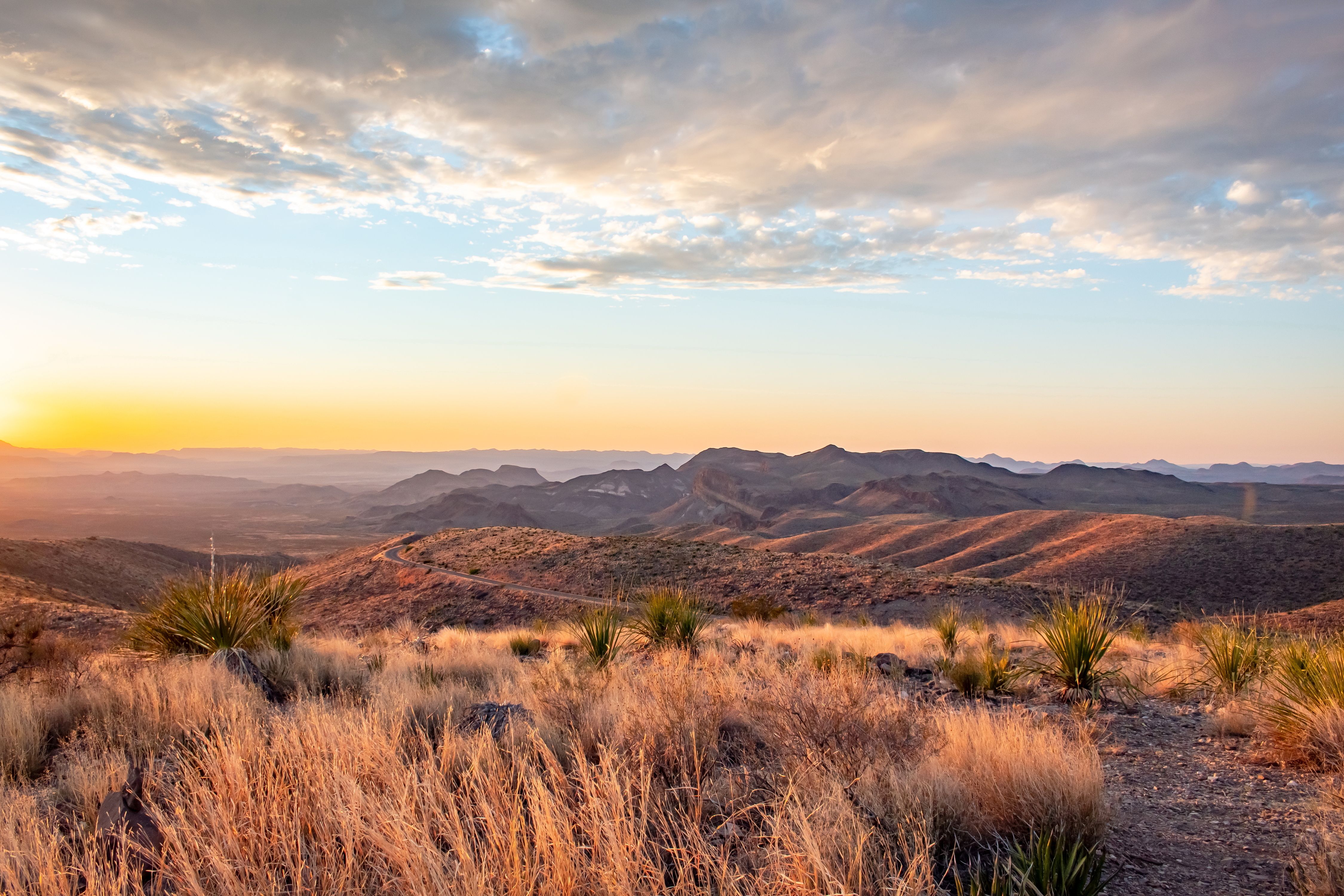
Transforming your Texas yard into a stunning landscape doesn't have to be a daunting task. With the right approach, you can create a beautiful outdoor space that complements the unique climate and soil conditions of the Lone Star State. Whether you’re in the arid regions of West Texas or the humid areas of the Gulf Coast, understanding your local environment is key to a successful DIY landscape project.
First, consider the climate. Texas is known for its diverse weather patterns, which significantly impact plant selection and placement. Choose native plants that are well-adapted to your specific region to ensure they thrive throughout the year.
Planning Your Design
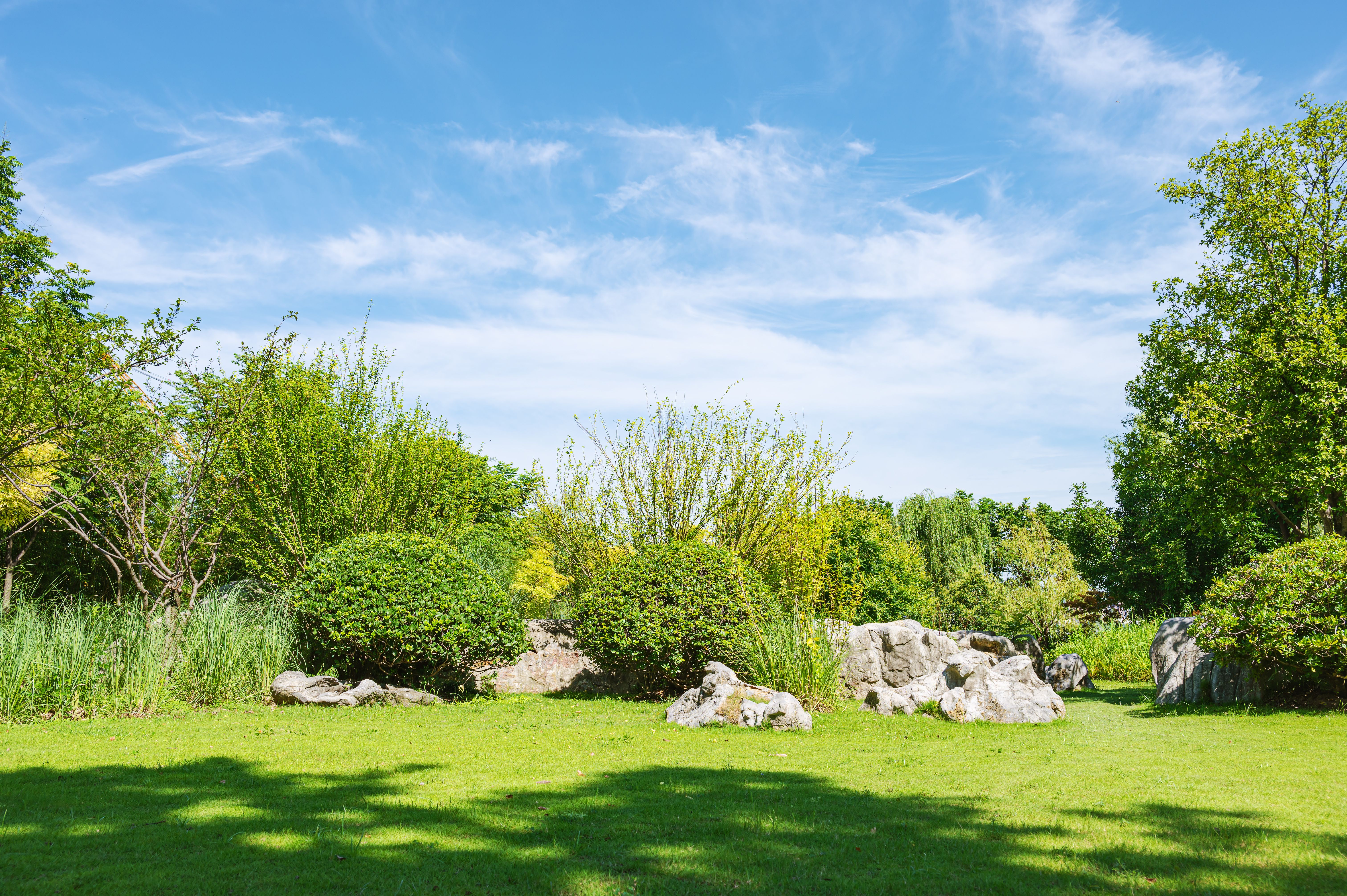
Before diving into planting and construction, take the time to plan your landscape design. Start by sketching out a basic layout of your yard, noting existing features such as trees, fences, and pathways. This will help you envision how new elements will fit into the space.
Consider incorporating a mix of hardscapes and softscapes. Hardscapes include elements like patios, walkways, and retaining walls, while softscapes consist of plants, grass, and other organic materials. Balancing these elements can create a harmonious and visually appealing yard.
Selecting Plants and Materials
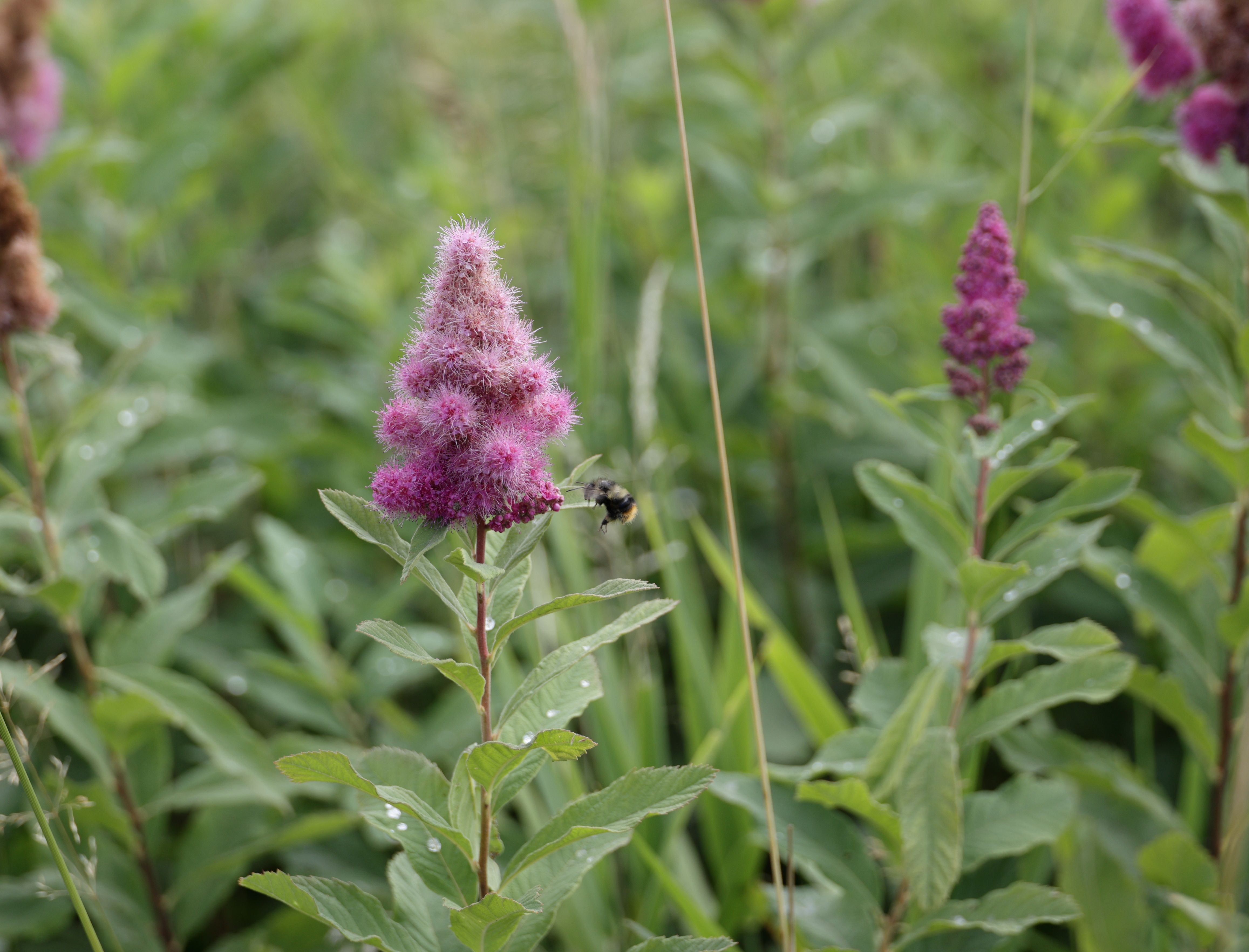
When selecting plants, focus on native species that can withstand Texas's varying temperatures and water availability. Some popular choices include Texas Sage, Bluebonnets, and Mexican Feathergrass. These plants not only thrive in the local climate but also require less maintenance and water.
In addition to plants, choose materials that are both durable and aesthetically pleasing. Native stone, gravel, and decomposed granite are excellent choices for walkways and patios. These materials blend seamlessly with the natural surroundings and are ideal for withstanding Texas weather.
Implementing Water-Saving Techniques
Water conservation is a critical aspect of landscape design in Texas. Implementing water-saving techniques not only benefits the environment but also reduces maintenance costs. Consider installing a drip irrigation system to efficiently water your plants. This method delivers water directly to the roots, minimizing evaporation and runoff.
Another effective strategy is to create a rain garden. These gardens are designed to capture and absorb rainfall, reducing runoff and providing a natural water source for your plants. They also add an attractive feature to your landscape.
Adding Unique Features
To give your yard a personal touch, consider adding unique features that reflect your style. This could include a fire pit for cozy gatherings, a water feature for a tranquil atmosphere, or a pergola for shaded relaxation areas. These elements not only enhance the visual appeal but also increase the functionality of your outdoor space.

Additionally, consider incorporating lighting to extend the use of your yard into the evening. Solar-powered lights are an eco-friendly and cost-effective option that can highlight pathways and accentuate focal points.
Maintaining Your Texas Yard
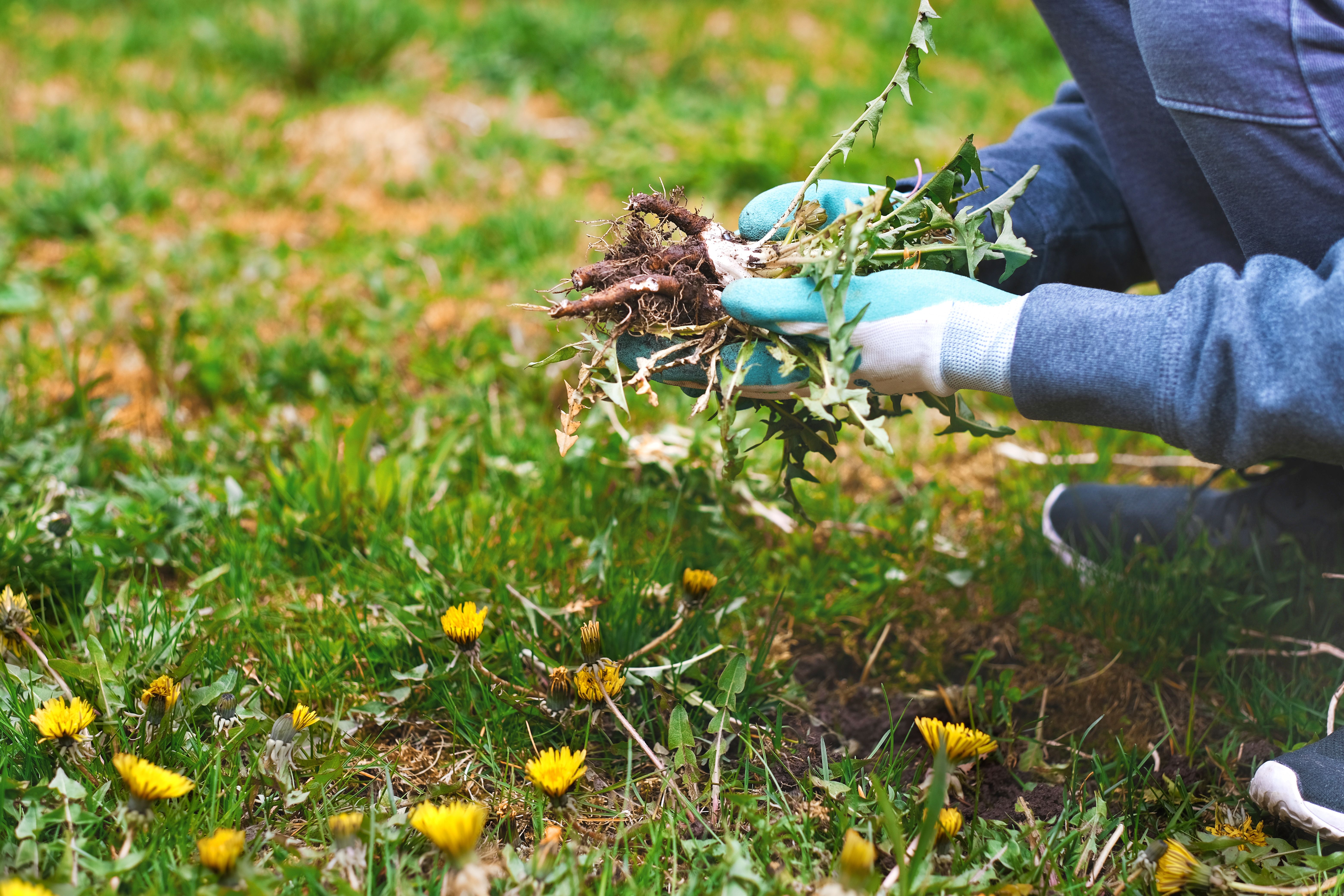
Once your landscape is complete, ongoing maintenance is essential to keep it looking its best. Regularly check for weeds, pests, and any signs of disease. Prune plants as needed to encourage healthy growth and maintain their shape.
Also, be mindful of watering schedules. Even drought-tolerant plants require occasional deep watering, especially during dry spells. Adjust your irrigation system according to the season and rainfall patterns.
By following these DIY landscape architecture tips, you can transform your Texas yard into a beautiful and sustainable oasis. Embrace the challenge and enjoy the process of creating a space that reflects your personal style while respecting the natural environment.