
Debunking Myths About Smart Home Construction in Texas


Understanding Smart Home Construction
Smart home technology has transformed the way we live, offering convenience, security, and efficiency. However, there are several myths surrounding smart home construction, particularly in Texas, that can lead to misunderstandings. In this post, we'll debunk some of these myths and provide clarity on how smart homes truly operate.
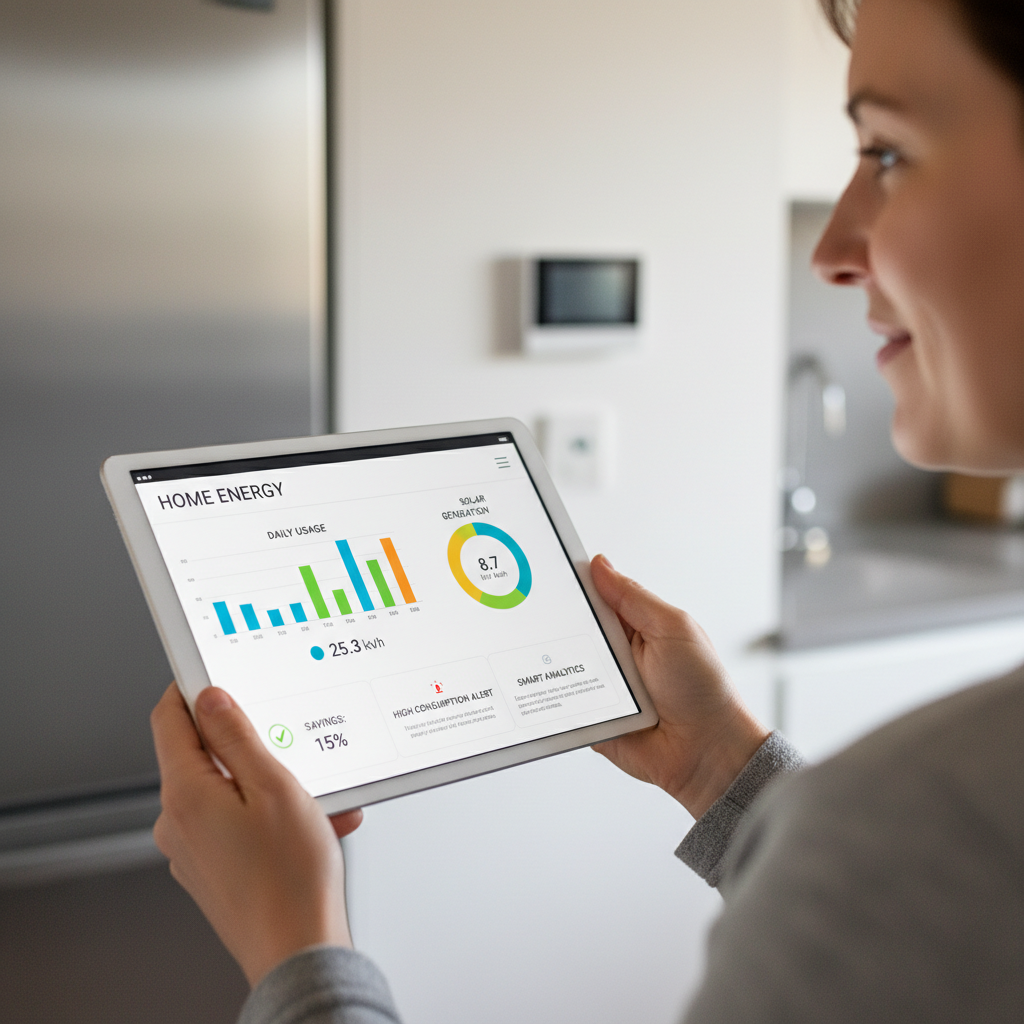
One common misconception is that smart homes are excessively expensive. While incorporating advanced technology can have upfront costs, the long-term savings and value added to the property often outweigh initial expenses. Smart thermostats, energy-efficient lighting, and automated systems can significantly reduce utility bills.
Myth: Smart Homes Are Complex to Use
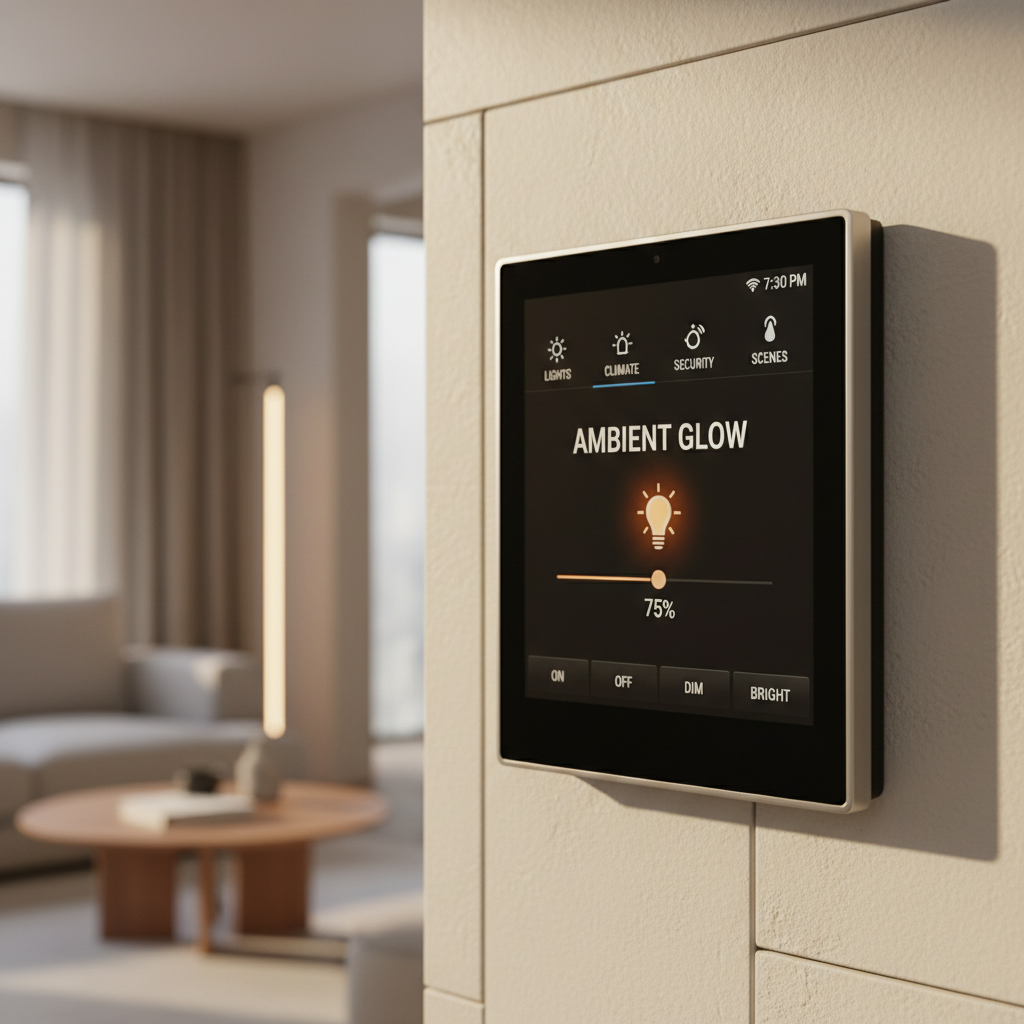
Another prevalent myth is that smart home systems are too complex for the average user. In reality, these systems are designed with user-friendliness in mind. Most smart home devices offer intuitive apps and voice control features that make them accessible to everyone, regardless of technical expertise.
Moreover, many companies provide professional installation services, ensuring that everything is set up correctly from the start. This service also includes tutorials and support to help homeowners get accustomed to their new smart environment.
Myth: Smart Homes Are Not Secure
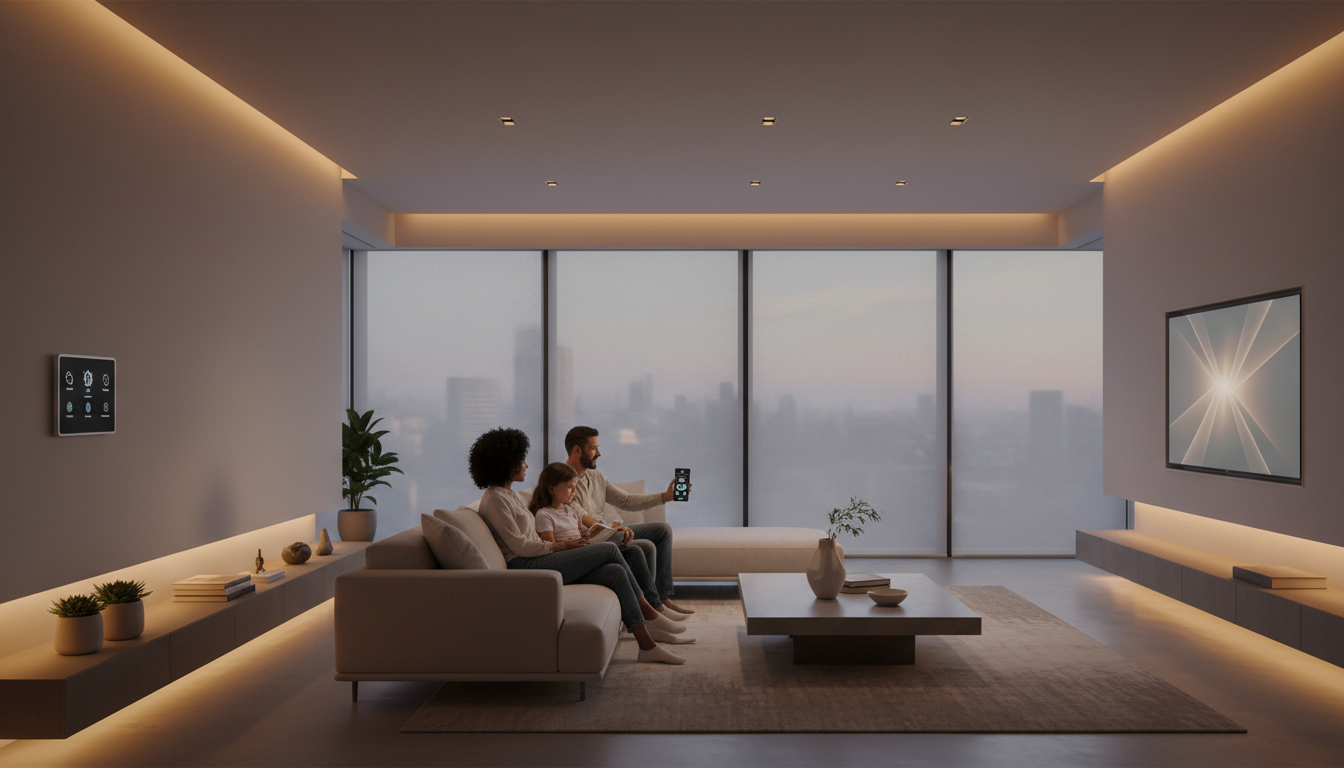
Security concerns often arise with smart home technology. However, modern smart home systems are equipped with robust security measures. From encrypted data transmission to multi-factor authentication, these systems are built to protect user privacy and data.
It's crucial for homeowners to stay informed and update their devices regularly. Using strong passwords and securing Wi-Fi networks are simple yet effective ways to enhance smart home security.
Myth: Smart Homes Are Only for New Constructions
Some believe that smart homes are only possible in new constructions. This is not the case. Existing homes can be retrofitted with smart technology without extensive renovations. Wireless technology allows for seamless integration of smart devices into any home.
Homeowners can start small by adding smart plugs, lights, or security cameras and gradually expand their smart home ecosystem as needed.

The Environmental Impact of Smart Homes
Smart home technology in Texas also faces the myth that it is not environmentally friendly. In fact, smart homes contribute positively to environmental sustainability. Energy-efficient appliances, smart irrigation systems, and automated energy management can significantly reduce a household's carbon footprint.
By optimizing energy usage, smart homes not only save money but also support environmental conservation efforts.
Conclusion: Embracing the Future
Smart home technology offers numerous benefits that can enhance the way we live. By debunking these myths, we hope to encourage more Texans to embrace smart home construction. Whether building a new home or updating an existing one, smart technology can provide comfort, security, and efficiency for years to come.