Comparing Traditional vs. Modular Homes: Which Is Right for You?


Understanding Traditional Homes
Traditional homes, often referred to as site-built homes, are constructed entirely on the plot of land where they will remain. This method has been the standard for centuries, allowing homeowners to customize every detail from the ground up. These homes are built piece by piece, offering flexibility in design and materials.
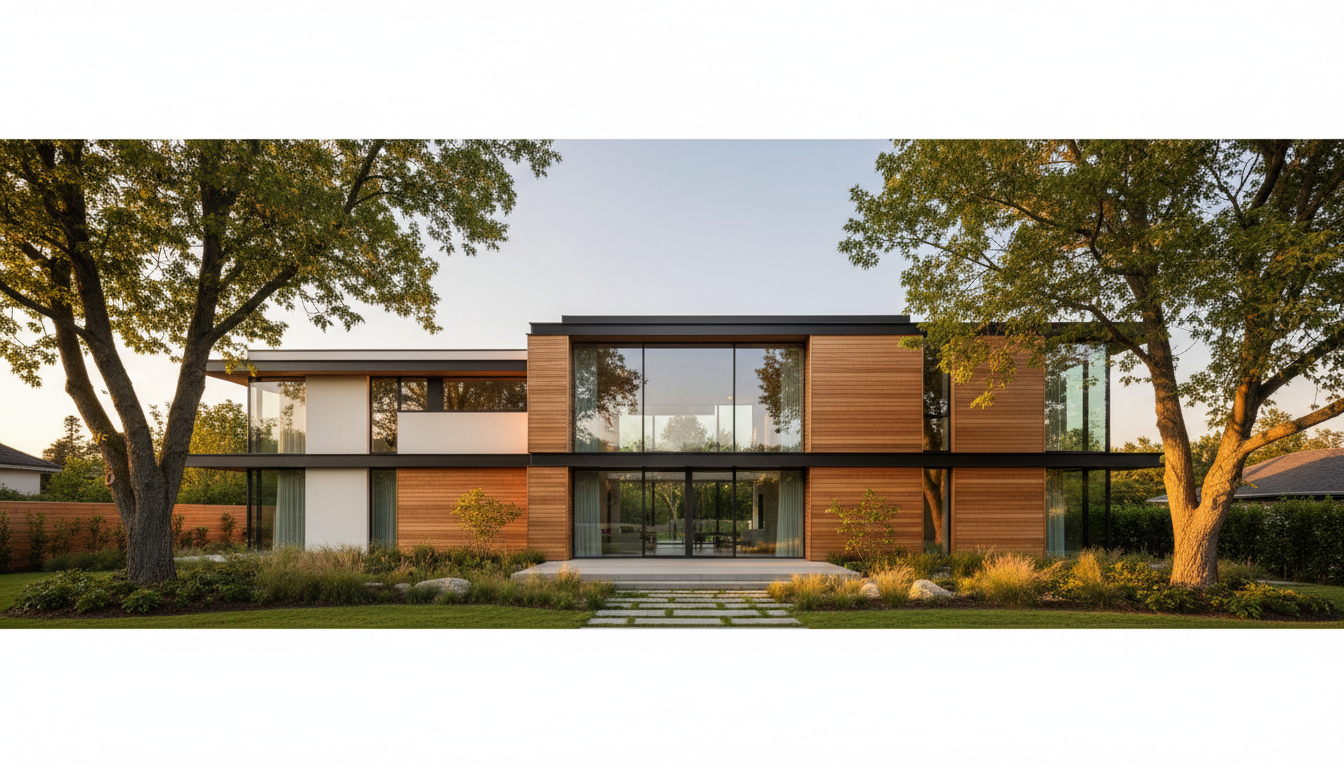
The process of building a traditional home can be lengthy, as each stage of construction depends on the completion of the previous one. This can lead to delays, especially due to weather conditions. Additionally, traditional homes often require a larger budget due to labor costs and potential overruns.
Exploring Modular Homes
Modular homes are revolutionizing the housing industry with their unique approach. Unlike traditional homes, modular homes are constructed in a factory setting. Sections, or modules, are built indoors and then transported to the site for assembly. This method allows for faster completion times and often results in a more cost-effective build.
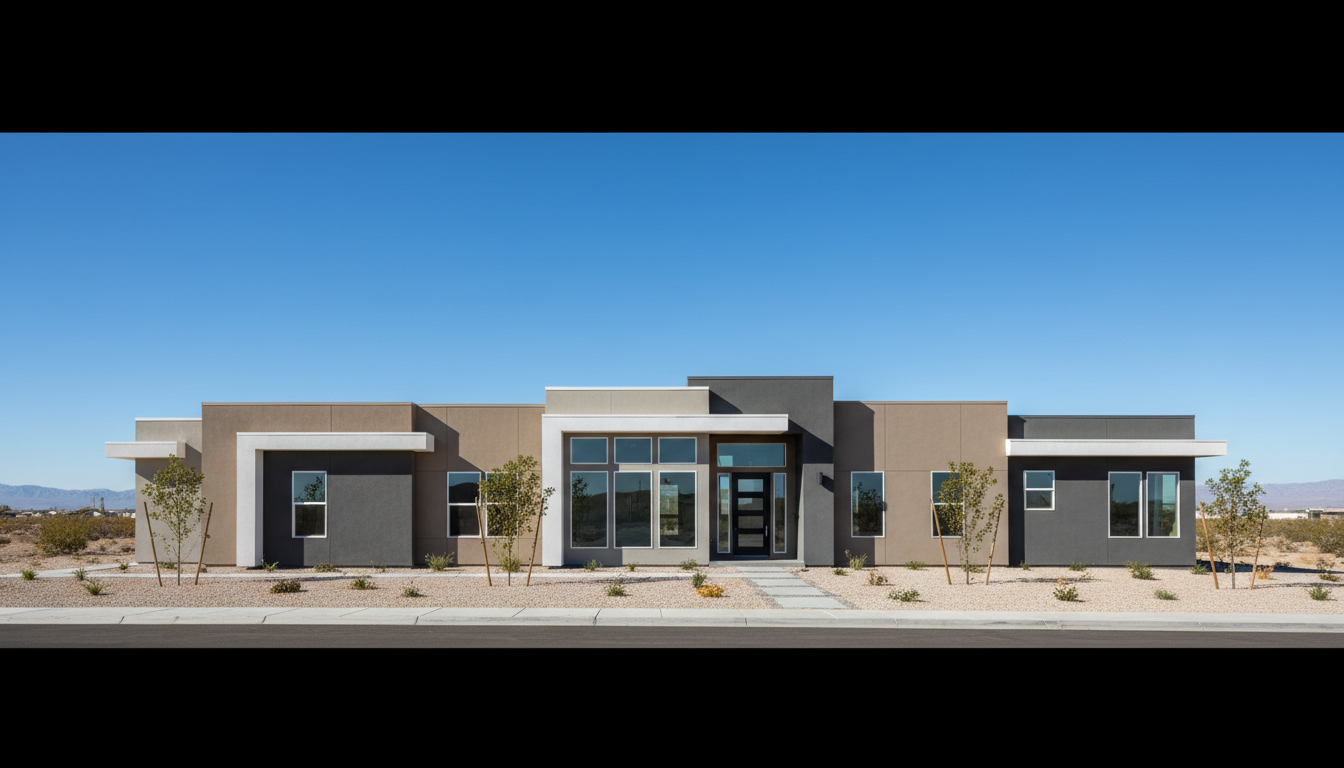
Because the modules are constructed in a controlled environment, there's less risk of weather-related delays. Additionally, modular homes can be just as customizable as traditional ones, with options for different layouts and finishes. The main difference lies in the efficiency and speed of the construction process.
Cost Considerations
Cost is a major factor when deciding between traditional and modular homes. Traditional homes usually entail higher labor costs and potential for unforeseen expenses. In contrast, modular homes typically offer more predictable pricing due to the streamlined construction process.
However, it's important to consider the resale value. Traditional homes may have a higher market value due to their custom nature and perceived quality. Meanwhile, modular homes are gaining recognition and respect in the real estate market, which could impact future value.
Environmental Impact
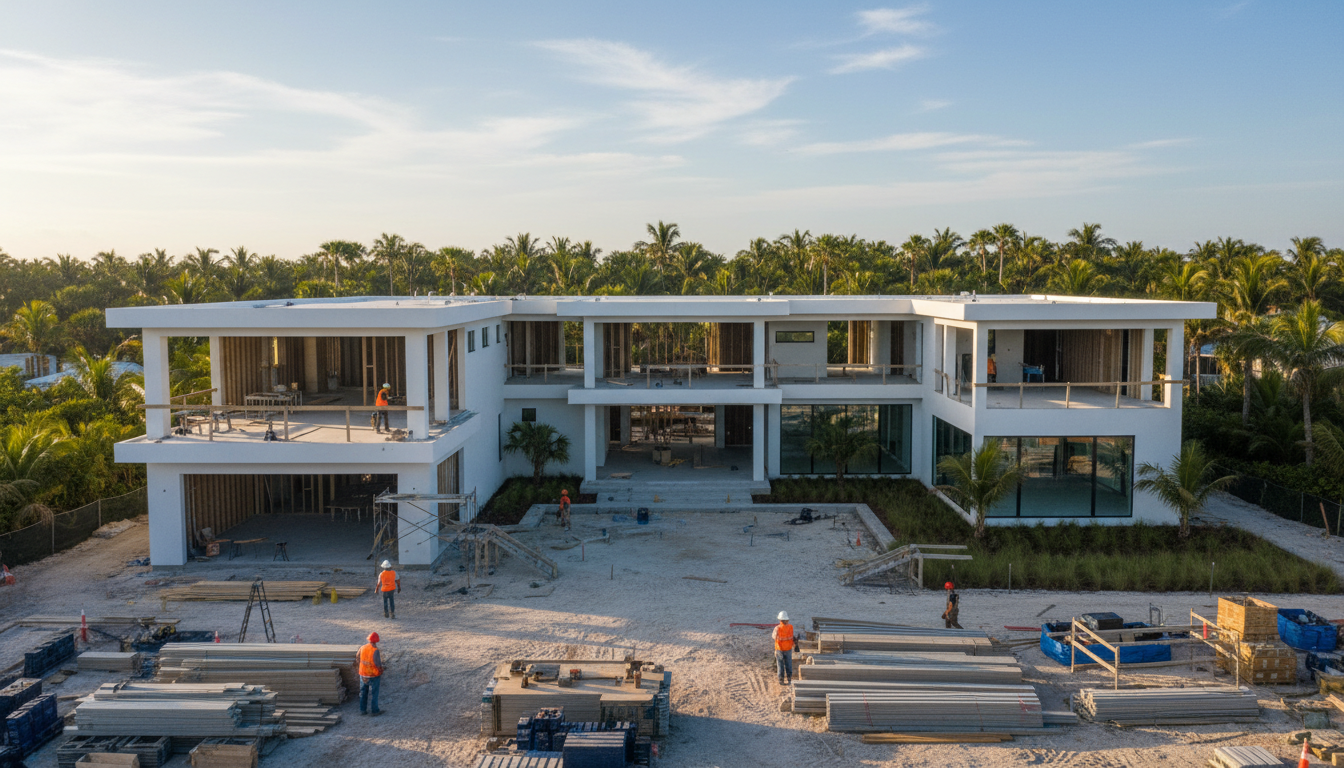
Environmental considerations are increasingly important for modern homeowners. Traditional homes often have a larger carbon footprint due to the resources used and the length of the construction process. Modular homes, built indoors, generate less waste and can be more energy-efficient, as factories often employ green building techniques.
Moreover, modular homes can incorporate sustainable materials and technologies more seamlessly during the manufacturing process, potentially leading to long-term savings on energy bills and a reduced environmental impact.
Which Is Right for You?
The decision between a traditional and modular home depends on your priorities. If you value a fully customizable home and have the budget and time, a traditional home might be the way to go. On the other hand, if you are looking for a quicker, potentially more affordable option with eco-friendly benefits, a modular home could be the perfect fit.
Ultimately, both types of homes offer unique advantages. Consider your lifestyle, budget, and values to make the best choice for your future home.